India vs Zimbabwe T20I Series 2026: The Cricket Match Is Small, The Business Behind It Isn't
India's T20I tour of Zimbabwe looks like a routine bilateral series, but it quietly moves real money for broadcasters, advertisers, fantasy platforms, and cricket boards. Here's who benefits — and why it matters for anyone watching media and sports-tech markets.
India vs Zimbabwe: A "Small" Cricket Series, A Very Big Money Story
On paper, the India–Zimbabwe T20I series happening this week in Harare looks like a mismatch. Zimbabwe are ranked well below India, and India are treating this as a chance to blood new players. But look past the scoreboard and this series is a neat case study in how cricket, media, and markets are tangled together — and which listed and soon-to-be-listed companies quietly benefit every time India tours a smaller cricket nation.
Where the series stands right now
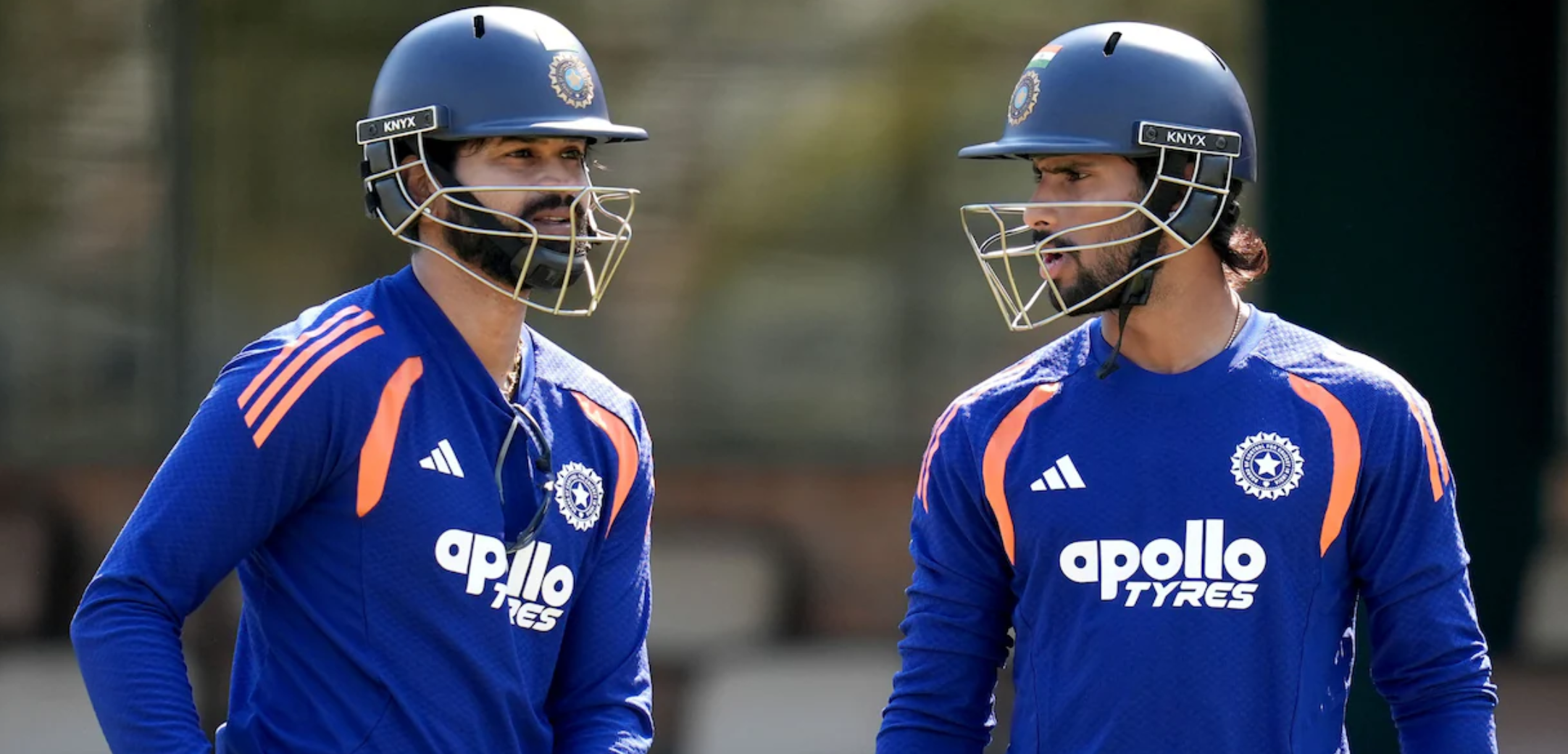
India are on their three-match T20I tour of Zimbabwe, with the first game played on 23 July 2026 at the Harare Sports Club under new captain Shreyas Iyer, who came in without a win yet in the format. Zimbabwe, led by Sikandar Raza, batted first and were restricted to 125/7, with young pacers Prince Yadav and Mayank Yadav troubling the top order alongside the experienced Richard Ngarava and Blessing Muzarabani bowling for the hosts. Chasing, India got a electric start from 15-year-old Vaibhav Sooryavanshi, who smashed a maiden international half-century off just 18 balls before Ngarava removed him, after which Ishan Kishan and Iyer steadied the innings. Two more games follow at the same venue over the following days to complete the series.
Who actually makes money off a series like this
Here's the part that doesn't show up in the scorecard. A bilateral series between a cricket giant and a smaller board sets off a chain of commercial activity that touches several industries:
- Broadcasters and streaming platforms. Rights holders such as JioStar/Hotstar and Fancode in India, and the host broadcaster in Zimbabwe, sell subscriptions and ad inventory around every India series, regardless of how "meaningful" the fixture looks. India's cricket viewership is the single biggest draw in the sport, so even a tour like this moves real ad dollars.
- FMCG and fintech advertisers. The usual roster of sponsors — beverage, paints, edtech, and payment-app brands — buy airtime around India matches because the audience size is guaranteed, series outcome aside.
- Fantasy sports and betting-adjacent platforms. Every bilateral series, especially ones packed with new faces like Sooryavanshi, Prince Yadav, or Dion Myers, drives a fresh spike in fantasy-app downloads and contest entries.
- The host cricket board and local economy. Zimbabwe Cricket earns a meaningful chunk of its annual revenue from hosting India, since gate receipts, hospitality, and broadcast fees from an India tour dwarf what most other visiting teams generate. Hotels, travel operators, and the Harare hospitality sector see a short but real bump too.
- The BCCI itself. Even away tours generate central revenue-sharing income for the BCCI through ICC distributions and bilateral broadcast deals, reinforcing why India's cricket calendar stays packed even in "low-stakes" months.
The investor angle
For anyone tracking markets rather than just the game, cricket rights cycles are a genuine, if under-discussed, input into the earnings of listed media and entertainment companies. Broadcasters and streaming-linked entities report ad-revenue swings tied to major cricket windows, and sports/media results season commentary often calls out cricket viewership explicitly. Fantasy sports and adtech businesses eyeing public listings also lean on cricket-calendar density — a packed year of bilateral series, even "smaller" ones like this, is part of the pitch to investors about consistent user engagement. If you follow IPO markets, it's worth watching which sports-tech, streaming, and adtech names cite cricket viewership numbers in their prospectus filings — it's one of the more reliable, recurring demand drivers in Indian consumer internet businesses.
The takeaway
India vs Zimbabwe won't dominate headlines the way a marquee series does, but it's a good reminder that cricket's economics run much deeper than the result. Broadcasters, advertisers, fantasy platforms, host boards, and the BCCI all collect something from every ball bowled — win, lose, or rain-affected. That's the real scoreboard worth watching if you're thinking about this from a market angle rather than just a fan's.
Scores here reflect the match state at the time of writing on 23 July 2026; check a live cricket score source for the latest and final result.
Comments
No comments yet
Be the first to share your thoughts!